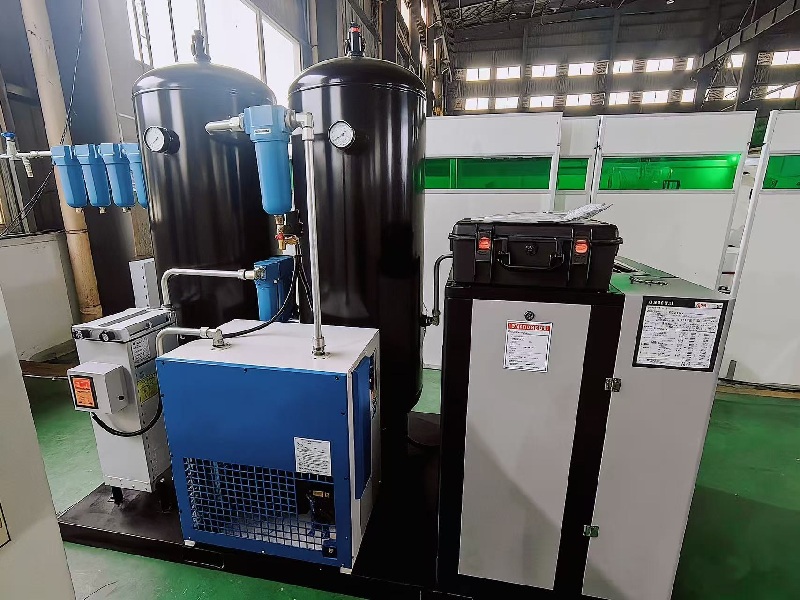
Nuclear Facility Decontamination
Large quantities of radioactive metallic waste are generated during the operation and decommissioning of nuclear facilities, most of which are surface-contaminated. Currently, the globally recognized mainstream disposal method is deep geological disposal: used components are treated as waste and permanently buried 500-1000 meters underground inside special repositories with stable geological structures. This method not only incurs extremely high costs but also brings risks of secondary pollution and severe resource waste.
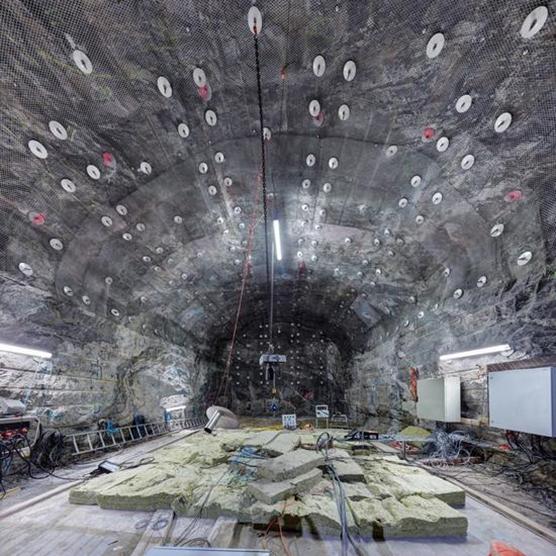
Advantages of Laser Cleaning
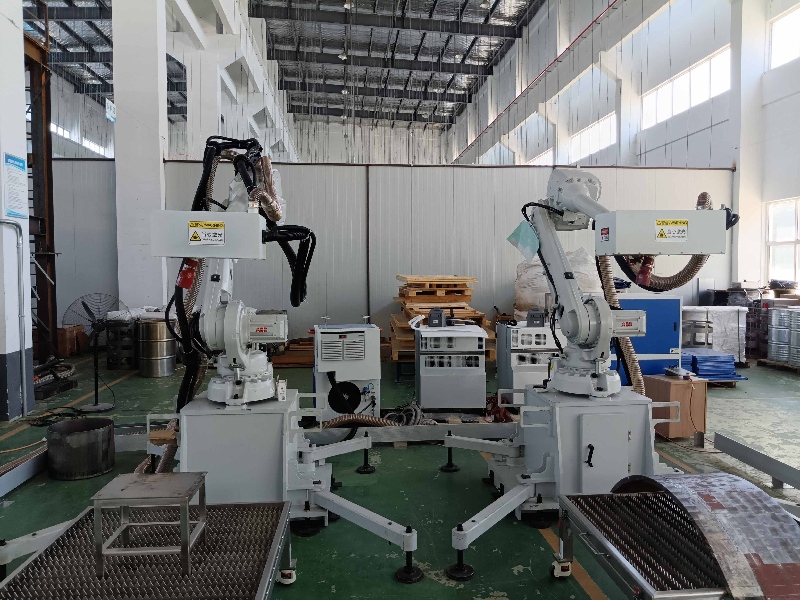
This equipment performs laser ablation decontamination on retired nuclear facility parts. It effectively eliminates radionuclide-contaminated grease, oxide films and rust for centralized recovery treatment, meeting non-radioactive release standards.
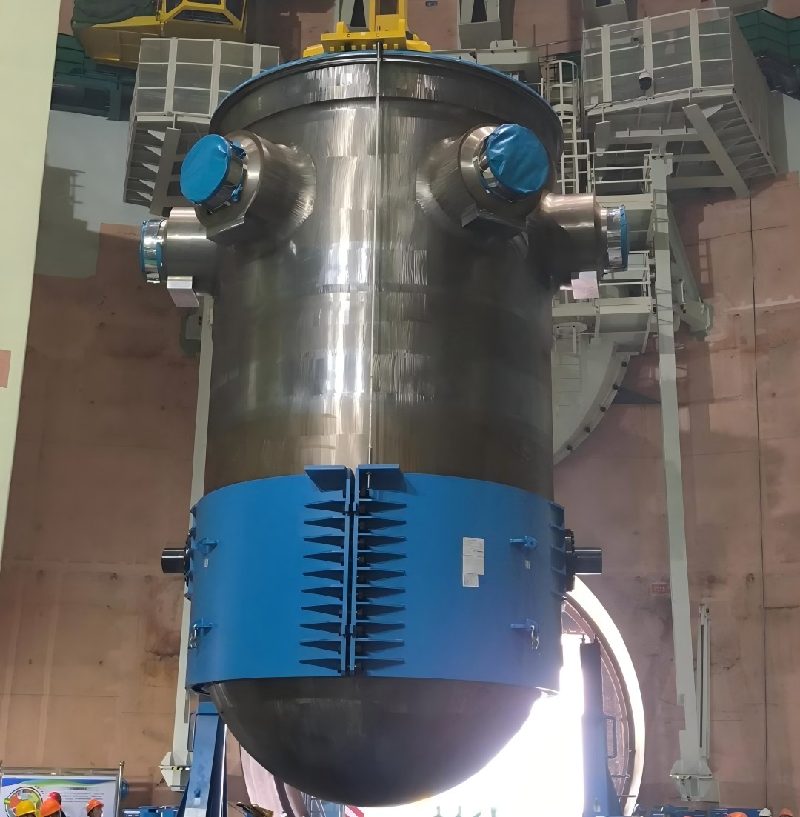
Laser Dismantling of Nuclear Facilities
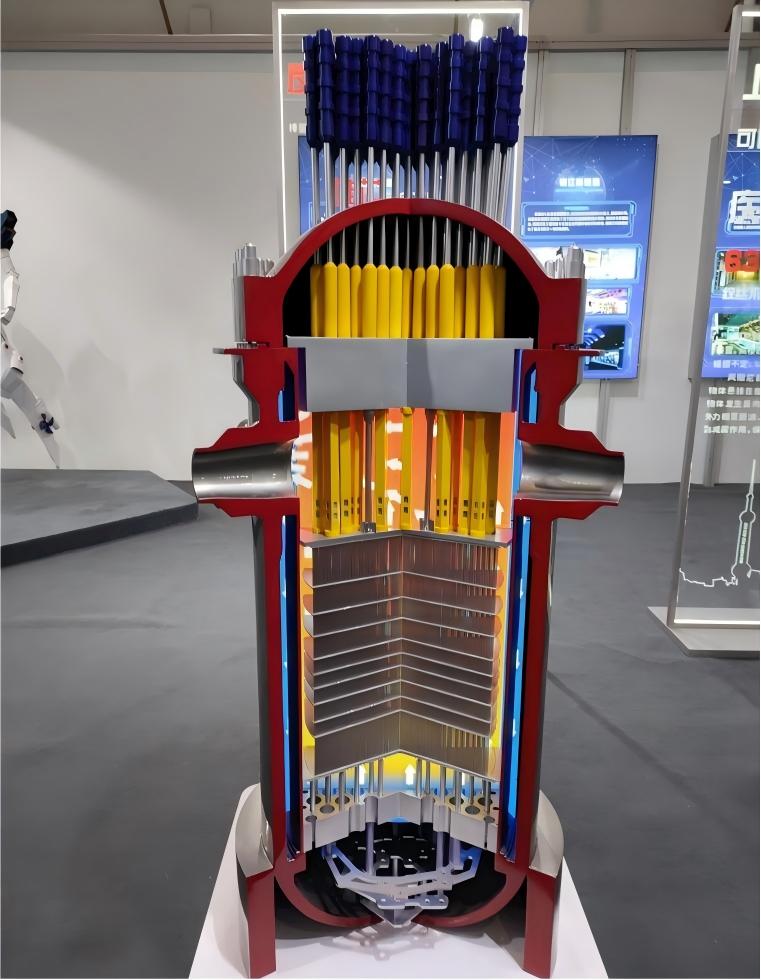
After nuclear facility decommissioning, radioactive structures must be cut into units with strictly compliant sizes and weights. These units are loaded into special containers and safely transported to final disposal repositories, achieving accurate waste classification, elimination of nuclear hazards and release of site resources.
Traditional dismantling technologies (mechanical cutting, blasting, water jet cutting, plasma cutting) have inherent drawbacks in radioactive environments: mass secondary waste generation, high personnel irradiation risks, and poor adaptability to complex structures.
Advantages of Laser Cutting:
Complete internal-to-external dismantling of tank-type facilities, including: outer shell, shielding cooling water tank, bottom water tank & sand tank, horizontal test channels, thermal column outer casing, heavy concrete shielding layers and embedded pipelines.